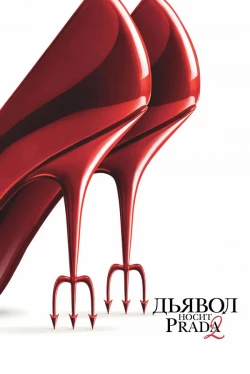
The Devil Wears Prada 2
release date, where to watch, trailer
This film is best approached as a reflection on power and changing eras in a creative industry, not as an attempt to repeat the old success formula.
Description
The Devil Wears Prada 2 arrives in an era when the very industry the original mocked is facing an existential crisis. If the first film was a portrait of glossy power and toxic success, the second asks what happens to those models when the familiar levers of influence start to fail. This film matters less as a simple return of iconic characters and more as an attempt to make sense of a generational shift and the end of unquestioned authority in fashion media.
The central conflict is built around power and legacy. The clash between Miranda Priestly and Emily Charlton isn’t just personal hostility — it’s a collision of different management philosophies and ideas of value. One side relies on reputation, fear, and a hierarchy built over years; the other runs on numbers, flexibility, and aggressive pragmatism. The film speaks to guilt over past choices, the fear of being pushed aside, and a kind of control that no longer guarantees loyalty. At its core is a question of professional identity: who do you become when the world where you were indispensable no longer exists in the same form?
The film will appeal to viewers interested in stories about power inside creative industries and how it changes over time. It’s especially for those who read the original not as a “fashion comedy,” but as satire of corporate culture and career compromises. It may resonate most with audiences who understand the context of print media decline. Viewers expecting a light, punchy repeat of the first film’s tempo and humor may find this continuation more restrained and talk-driven.
There are also reasons to be cautious. The film deliberately avoids sharp-edged satire and works in a calmer dramatic register. The pacing can be uneven, with the conflict unfolding through dialogue and positional standoffs rather than big plot twists. Not every scene lands with the same bite, and nostalgia sometimes outweighs risk. The Devil Wears Prada 2 isn’t a bold reinvention — it’s a reflection on how hard it is to let go of power in time and admit an era is over.
Facts
- The film is a direct continuation of the 2006 movie.
- The plot focuses on conflict amid a crisis of print media.
- Key cast members from the original return to their roles.
- The story unfolds years after the events of the first film.
- The project blends drama with satirical comedy elements.
FAQs
Yes, the story continues after the first movie.
Yes, otherwise the conflict’s context will feel incomplete.
The balance leans toward drama with ironic elements.
It resolves the stated conflict as a complete story.
There is no official information about further installments.